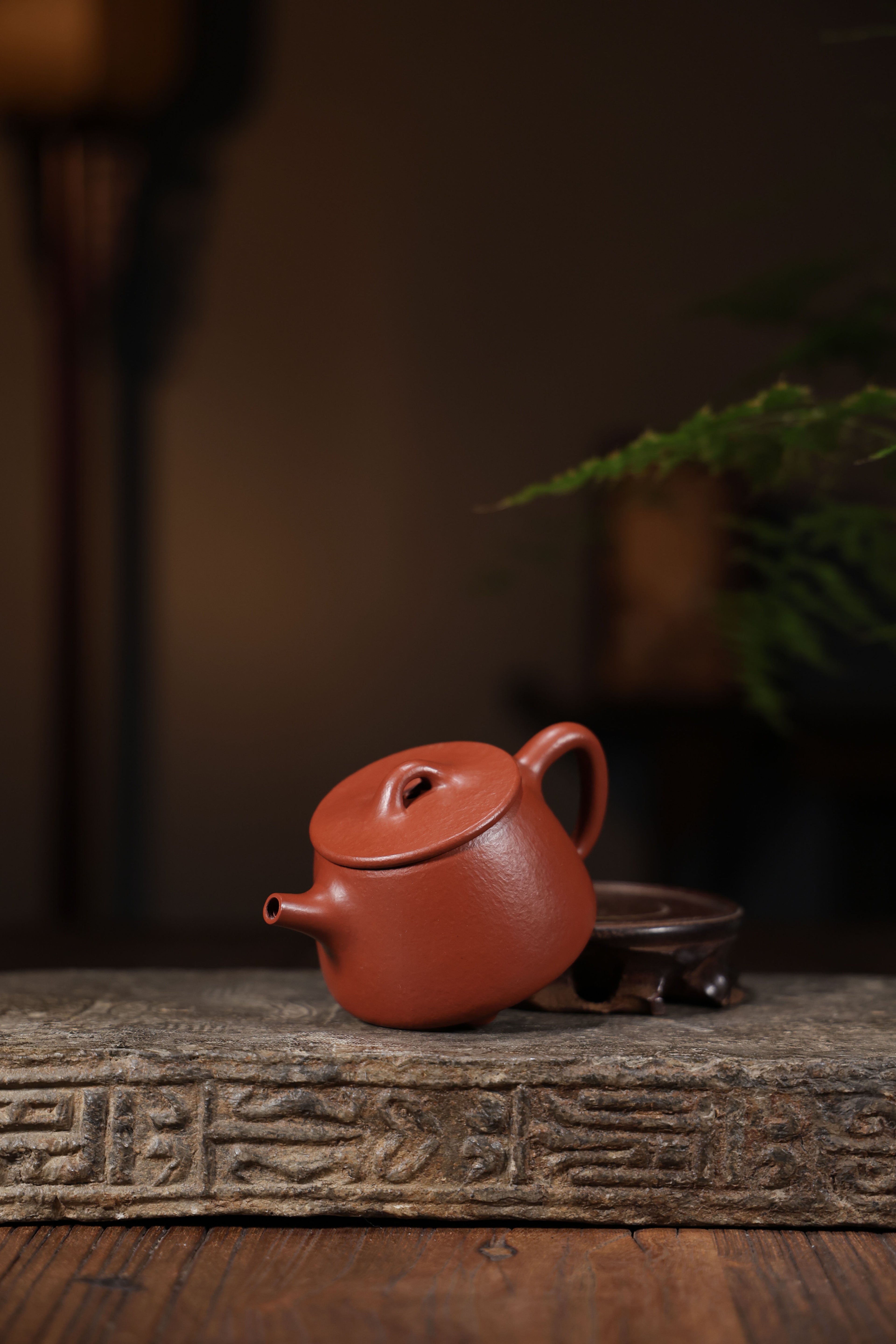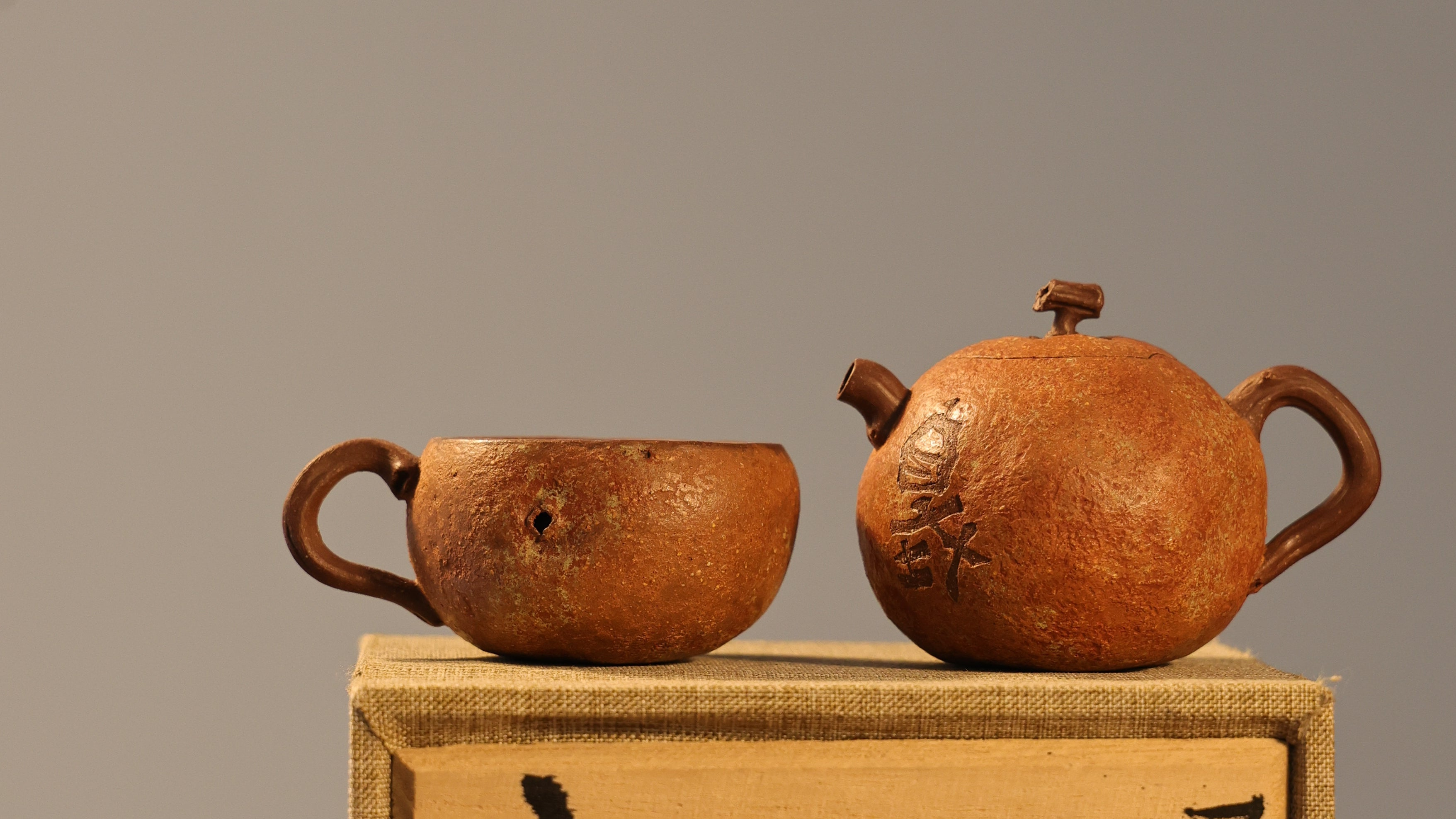
Millennia of experts have sought the particular enchantment of Yixing Zisha teapots. Originating in the quaint town of Yixing, the territory, these amphorae are crafted from a rare and extracted purple clay celebrated for its remarkable thermal features and capability to elevate the essence of beverages. More than their operative importance, Zisha teapots reflect a extensive artistic legacy, transforming them notably esteemed and a undisputed marvel for any ardent teapot aficionado.
Examining Yixing Vessels
Such teapots represent a remarkable synthesis of history and experienced craftsmanship. Existing in Yixing, Jiangsu District of China, their narrative stretches the Ming Dynasty, although indications suggest earlier forms. The exceptional plum clay, called Zisha, found uniquely in the Yixing region, is the key component, contributing to the pots' superior heat keeping and the manner they modify the aroma of tea. Generations of potters have mastered techniques—often bestowed through families—including forming the clay, applying sophisticated embellishments, and firing the pots at accurate temperatures.- Originally, Yixing teapots were often ornamented with simple designs.
- In due course, more elaborate carvings and pictorial motifs became usual.
- The oven firing itself is a essential element, requiring extensive periods of mastery.
Obtaining Zisha Teapots: Key Guidelines
Starting a campaign to gather Zisha jars can be enjoyable, but it’s essential to grasp what to inspect. Authenticity is paramount; focus on the soil’s natural tint, a soft reddish-brown is usual. Examine the texture; genuine Zisha has a characteristic tactile sensation, often expressed as slightly coarse. The form should be appealing and consistent with historical styles, while marks, if present, require scrupulous examination for truthfulness. Don’t refrain to consult with savvy connoisseurs or recognized authorities – their expertise is invaluable.
Oriental Clay Pots: Discovering the Practice of Yixing Purple Earth
Periods have seen Yixing Rare Clay teapots hold a significant role in Chinese legacy. These masterfully created pots, sourced distinctively from the province of Yixing, are famous for their unique hue, surface, and their ability to develop the bouquet of potions. Legions of collectors seek antique Yixing teapots, prizing them immensely not only for their aesthetic beauty, but also for the background they stand for.
Yixing Zisha Teapots: A Finest Varieties and Their Features
Yixing Pottery teapots, sourced from the authentic zone of Yixing, this nation, are famed for their unique clay and superb brewing functions. Amongst the many Zisha types, the varieties that are highly treasured include Baiwei. Binzhou, known for its vivid purple shade and silky texture, delivers a delicate flavor. Duan Ni form, recognizable by its coppery color and a little grainy feel, is viewed to enhance the depth. Lastly, Zhuni clay boasts an uncommon scarlet tone and can lend a nice nuance. Each category grants a unique experience, making them considerably desirable between infusion enthusiasts.
Brewing Perfection Specific Pottery Pot
To unleash the wonder of your Yixing container, grasping the correct method is fundamental. These clay teapots, celebrated for their absorbency, will eventually retain the flavor of the tea you create within them. Begin by scrubbing the kettle thoroughly with scalding water. Then, use only superior loose leaf tea, as lower quality options can impair the teapot’s delicate taste. Always enable the leaves to bloom completely, and remember that with each serving, your Yixing urn will become perpetually special.
Conserving Your Invaluable Zisha Item
Proper care for your Zisha pitcher is vital to sustaining its appearance and appreciation. Purple Clay Teapot Zisha clay, hailed for its unique nuance and consistency, requires considerate handling. Never use severe formulas, as these can affect the film. After every session, rinse the pitcher with lukewarm water and allow it to evaporate completely.
- Avoid soaking the pot for extended lengths.
- Regularly use a soft cleanser cloth to clean the exterior.
- Reflect on applying a thin layer of food-grade balm inside the vessel after drying, which can curb staining.
Fundamentals of Yixing Pitchers
Yixing clay pots, originating from the Yixing territory in Jiangsu Province, in the People's Republic, are celebrated for their distinctive attributes. Created from the unique purple compound known as Zisha, these vessels are prized by infusion enthusiasts worldwide. This primer will plainly explain the fundamentals – covering classes of Zisha ground, prevailing shapes, and important care guidance. Understanding the tradition of Yixing pitchers can heighten your appreciation for this traditional example of Oriental craftsmanship.
Art of Zhongguo Containers: Examining Zisha sourced from the Yixing territory
Zisha ware from the Yixing district represents the apex of Eastern pitcher design, demonstrating a unique combination of earthy beauty and useful artistry. These outstanding pieces are celebrated for their intense tones, often stretching over bold purples and mahogany hues to soft greys and muted beiges. The specific mineral composition of the regional Zisha terrain imparts a identifying texture and renders a gratifying aroma that richens the complete concoction experience, causing them highly valued collectibles and integral components of any serious brew.